


عضوية مجانية

مفتوح الآن لمالكي جميع أشكال المنازل القديمة في مدينة شيكاغو!
انضم إلى شبكتنا القوية المكونة من 20000 مالك منزل لتصبح عضوًا مجانًا.
أنت مؤهل للحصول على العضوية إذا كان منزلك يفي بالمعايير التالية:
منزل قديم (تم بناؤه منذ 50 عامًا على الأقل)
تقع في مدينة شيكاغو
سكن لعائلة واحدة
مالك مشغول
Learn about Chicago's vintage home styles in our YouTube Shorts:
Second Empire
1870's-1880's
-
Intricate stone ornament surrounding doors and windows
-
Sloping mansard roofs, often with multi-colored slate shingles and elaborate dormers
-
Prominent cornices
-
Styles can vary—as long as it is topped with a mansard roof, it’s Second Empire


Workers Cottage
1870's-1910's
-
Can be brick or frame construction
-
Does NOT have overhanging eaves like a bungalow
-
Roof is a little more steep than a bungalow and not hipped
-
Street-facing gable
-
Often have Italianate details


Victorian/Queen Anne
1880-1910
-
More than two stories
-
Steeply-pitched roof
-
Asymmetrical façade
-
Partial or full-width porch
-
Lack of a smooth-walled appearance


Greystone
1890-1940
-
“Rusticated” (rough) limestone façade (earlier versions) and smooth limestone facades (later)
-
Brick sides
-
Usually two or three stories, occasionally one-story “shoebox” greystones can be found
-
May have large pediments, elaborate parapets, arched windows, columns and other Romanesque or Neo-Classical details


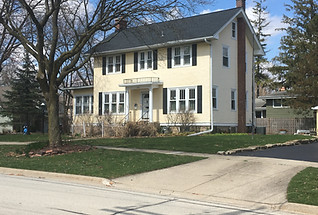
Colonial Revival
1880-1955
-
Accentuated front door, normally with decorative crown (pediment) supported by pilasters
-
Center entrance, symmetrical
-
Side gables (roof slopes front-to-back)
-
Windows usually have double-hung sashes and multi-pane glazing

Dutch Colonial
1890-1940
-
Gambrel-style gable roof
-
Nearly-full second story
-
Often have dormers or continuous shed dormer with several windows
-
May have a full-width front porch


Prairie Style
1900-1920
-
Low-pitched roof, usually hipped
-
Widely-overhanging eaves
-
Two stories with one story wings, porches and porte cocheres
-
Eaves, cornices and facade details that emphasize horizontal lines
-
Often massive, square porch supports


American Foursquare
1900-1930
-
Symmetrical
-
Square or slightly rectangular footprint
-
2-½ stories
-
Centered attic dormer
-
Low-hipped roofs with overhangs
-
Covered front porch that extends the length of the façade


Frame/Stucco Bungalow
1900-1930
-
Predecessor to Chicago bungalow, with some built concurrently
-
Frame (wood) construction
-
Low-pitched, gabled roof (occasionally hipped) with wide, unenclosed overhang
-
Roof rafters usually exposed
-
Decorative (false) beams or braces added under gables
-
Full or partial-width porches with roof supported by tapered square columns


Chicago Bungalow
1910-mid 1930's
-
Brick construction
-
1-½ stories above a basement
-
Low-pitched hipped roof (occasionally gabled), with wide overhangs
-
Porch with steps ascending from street level (sometimes side entrances)
-
Generous windows, sometimes with leaded art glass
-
Simple style influenced by the Arts & Crafts movement


Detroit Bungalow
1900-1930
-
Predecessor to Chicago bungalow, with some built concurrently
-
Similar characteristics as Chicago bungalow except side gable roofline
-
Shed dormers or pitched dormers
-
Can be brick, frame, or stucco


Mediterranean Revival
1920-1940
-
Incorporates Spanish Renaissance, Spanish Colonial, Beaux-Arts, Italian Renaissance, Arabic Andalusian architecture, and Venetian Gothic architecture
-
Typically a rectangular floor plan
-
Clay tile roofs
-
Windows in the shape of arches or circles (or arches above windows)
-
Ornamentation may be simple or dramatic
-
May have lush gardens or landscaping


Art Deco
1920-1940
-
Smooth wall surface (often stucco)
-
Flat roof
-
Zigzags, chevrons, and other stylized and geometric motifs used as decorative elements
-
Towers or other vertical projections above the roof line (vertical emphasis)


Art Moderne
1920-1940
-
Smooth wall surface, usually stucco
-
Often has rounded surfaces
-
Flat roof, usually with small ledge (coping) at roofline
-
Horizontal grooves or lines in walls and horizontal balustrade elements (horizontal emphasis)
-
Façade usually asymmetrical


Georgian Revival
1930's-1960's
-
Square footprint
-
Brick exterior
-
Unadorned except for decorative shutters
-
Bay window
-
Two stories
-
Hipped roof


Tudor Revival
1930's-1960's
-
Steeply-pitched roof
-
Cross gables
-
1-½ stories
-
Decorative half-timbering
-
Tall, narrow windows
-
Large chimney
-
(Cottage-y stone details around doors and windows are another good hint)


Cape Cod
1930's-1960's
-
Brick construction
-
Front gable, occasionally a cross-gable
-
1-½ stories
-
Similar to Tudor Revivals but generally with paired-down detailing and a slightly lower pitch to the roof
-
Part of the Minimal Traditional trend in small home building of the era


Modernist Ranch
1930's-1960's
-
Single story or split-level
-
Low-pitched or flat roof
-
Asymmetrical floor plan
-
Indoor-meets-outdoor living spaces (lots of windows and connections between indoor and outdoor spaces)
-
Attached garage
-
Back patio space


Ranch/Raised Ranch
1940's-1970's
-
One-story (sometimes two-story if raised ranch)
-
Asymmetrical
-
Low-pitched roof, sometimes cantilevered (extending far beyond the outer wall)
-
Wood or brick cladding
-
Sometimes, decorative shutters (none pictured)


Split-Level
1950's-1960's
-
Two or three levels (often with a single-story wing)
-
Low-pitched roof with overhanging eaves
-
Garage and “family room” at lower level
-
Bedrooms are upstairs

